Innovation, Strategy
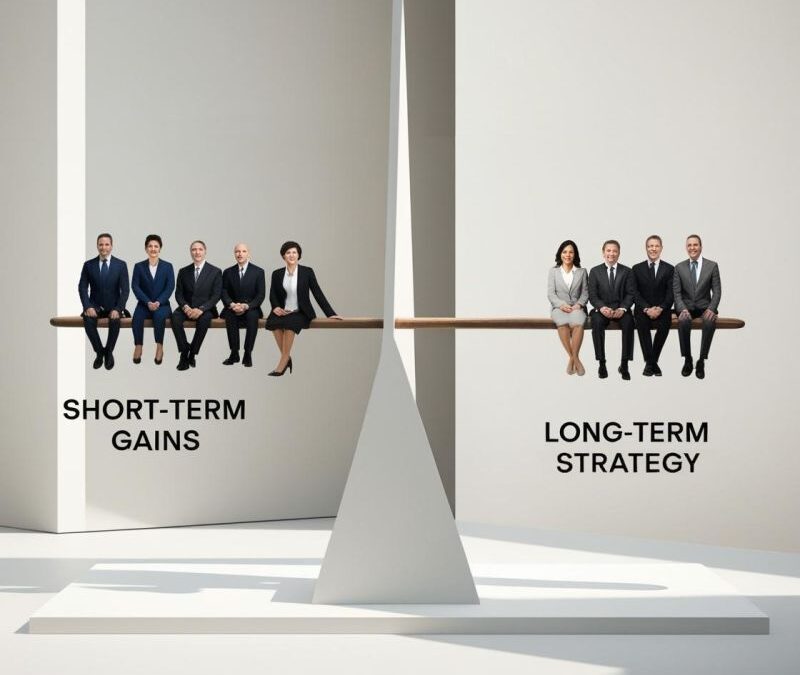
As I reflect on 2024, it’s clear that many business leaders have prioritized short-term operational needs over long-term strategic initiatives. This shift was understandable given the economic uncertainties and rapid market changes. However, as we look towards 2025, it’s crucial to recognize the importance of striking a balance between immediate demands and future-focused digital strategies.
I believe the past year’s focus on short-term gains has left many companies vulnerable to digital disruption and potential stagnation—this imbalance is unsustainable.
𝗛𝗲𝗿𝗲 𝗮𝗿𝗲 𝟯 𝗶𝗻𝘀𝗶𝗴𝗵𝘁𝘀 𝗯𝗲𝗵𝗶𝗻𝗱 𝘁𝗵𝗲 𝘀𝗵𝗶𝗳𝘁 𝗯𝗮𝗰𝗸 𝘁𝗼 𝗯𝗮𝗹𝗮𝗻𝗰𝗲:
1. 𝙸̲𝚗̲𝚌̲𝚛̲𝚎̲𝚊̲𝚜̲𝚎̲𝚍̲ ̲𝙳̲𝚒̲𝚐̲𝚒̲𝚝̲𝚊̲𝚕̲ ̲𝙳̲𝚎̲𝚙̲𝚎̲𝚗̲𝚍̲𝚎̲𝚗̲𝚌̲𝚢̲: Gartner believes that 60% of organizations depend on digital platforms to transform their business models. This trend is likely to accelerate, pushing leaders to invest in long-term digital capabilities.
2. 𝙿̲𝚊̲𝚌̲𝚎̲ ̲𝚘̲𝚏̲ ̲C𝚑̲𝚊̲𝚗̲𝚐̲𝚎̲: The limitations of an overly short-term approach are becoming apparent as businesses struggle to effectively leverage rapidly evolving disruptive technologies such as AI. The pace of change feels dizzying when leaders haven’t developed the strategic agility to understand drivers and implications.
3. 𝙲̲𝚘̲𝚖̲𝚙̲𝚎̲𝚝̲𝚒̲𝚝̲𝚒̲𝚟̲𝚎̲ ̲𝙿̲𝚛̲𝚎̲𝚜̲𝚜̲𝚞̲𝚛̲𝚎̲: Companies that have maintained a long-term focus during this period are likely to emerge with significant competitive advantages, spurring others to make hasty decisions just to keep up.
𝗦𝘁𝗿𝗮𝘁𝗲𝗴𝗶𝗲𝘀 𝗳𝗼𝗿 𝗔𝗰𝗵𝗶𝗲𝘃𝗶𝗻𝗴 𝗕𝗮𝗹𝗮𝗻𝗰𝗲
To prepare for this shift, business leaders should consider:
1. Prioritizing initiatives based on both immediate impact and long-term value
2. Implementing agile roadmaps to adapt quickly to market changes while maintaining strategic direction
3. Fostering a culture of continuous improvement and a lean innovation methodology to drive both short-term efficiency and long-term growth
I’d love to hear your perspective. Do you think 2025 will see a return to a balanced strategic approach?
hashtag#DigitalTransformation hashtag#StrategicPlanning hashtag#BusinessGrowth
Innovation, Strategy
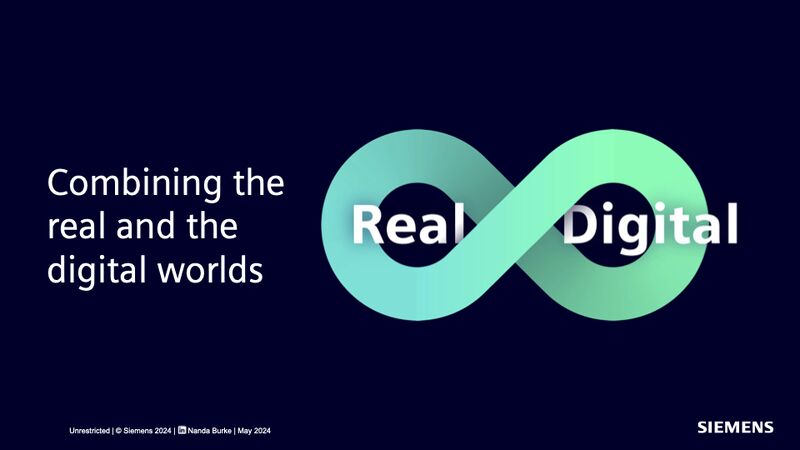
I recently attended The Conference Board’s excellent 𝘾𝙝𝙖𝙣𝙜𝙚, 𝙏𝙧𝙖𝙣𝙨𝙛𝙤𝙧𝙢𝙖𝙩𝙞𝙤𝙣, 𝙖𝙣𝙙 𝙊𝙧𝙜𝙖𝙣𝙞𝙯𝙖𝙩𝙞𝙤𝙣 𝘿𝙚𝙨𝙞𝙜𝙣: 𝙏𝙝𝙧𝙞𝙫𝙚 𝘼𝙢𝙞𝙙 𝙩𝙝𝙚 𝙉𝙚𝙭𝙩 𝘿𝙞𝙨𝙧𝙪𝙥𝙩𝙞𝙤𝙣 event in NYC. While there were many insightful speakers, one that really stood out was Nanda Burke from Siemens, who shared her company’s inspiring journey to transform into a truly global, integrated solutions organization.
Here were my top 4 takeaways from Nanda’s talk:
1. 𝗗𝗲𝗳𝗶𝗻𝗲 𝘄𝗵𝗮𝘁 𝘆𝗼𝘂’𝗿𝗲 𝗡𝗢𝗧 𝗴𝗼𝗶𝗻𝗴 𝘁𝗼 𝗱𝗼. When undergoing a strategic transformation, it’s just as critical to explicitly define the areas you will deprioritize or not pursue in the strategy.
2. 𝗗𝗲𝘀𝗶𝗴𝗻 𝗳𝗼𝗿 𝗼𝗿𝗴𝗮𝗻𝗶𝘇𝗮𝘁𝗶𝗼𝗻𝗮𝗹 “𝗳𝗹𝘂𝗶𝗱𝗶𝘁𝘆.” Siemens created an internal platform called Cosmos that empowers employees to form ad-hoc, organic groups across the enterprise beyond their direct reporting lines. This enables much greater cross-functional collaboration.
3. 𝗦𝗵𝗶𝗳𝘁 𝘁𝗼 𝗮 “𝗴𝗿𝗼𝘄𝘁𝗵 𝘁𝗮𝗹𝗸𝘀” 𝗰𝘂𝗹𝘁𝘂𝗿𝗲. Siemens did away with traditional performance reviews in favor of frequent, candid 1:1 “growth talks” between employees and managers. This unstructured format provides opportunities for healthier and more timely conversations to support individual growth paths.
4. 𝗘𝗺𝗯𝗿𝗮𝗰𝗲 𝗮𝗻 𝗼𝗽𝗲𝗻 𝗲𝗰𝗼𝘀𝘆𝘀𝘁𝗲𝗺 𝗺𝗶𝗻𝗱𝘀𝗲𝘁. Siemens launched their Xcelerator marketplace, which not only offers their own digital solutions but also sells third-party vendor products and services. This demonstrates a deeper understanding of customer needs.
As organizations of all sizes grapple with accelerating disruption, Siemens’ transformation principles offer a powerful model for thriving amid change.
#digitaltransformation #innovation #strategy

AI, Design, Innovation, Strategy
Today, Scott Belsky‘s latest insights in the Implications newsletter resonated deeply with me. He discusses a future of brands increasingly deploying AI agents as the primary interface, potentially leading to a landscape of disparate self-serving experiences, each thirsty for your data. This raises an important question about the emergence of platform-level agents, personalized to negotiate on behalf of individuals based on their unique data and preferences.
Several years ago at Spring Studio, we explored a similar concept for the banking sector, envisioning a future where a chatbot evolves into an AI-enabled ‘companion’. Dubbed the ‘self-driving bank account’, this tool could autonomously manage funds to prevent overdrafts, optimize bill payments, and even advise on optimal timing for major purchases.
This evolution in digital interfaces could profoundly impact consumers, brands, and developers. As we navigate this shift, it’s crucial to consider how such innovations could redefine the customer journey, focusing on privacy, trust, loyalty, transparency, and interoperability.
What do you think the future holds for customer-brand interactions in an AI-mediated landscape?
https://lnkd.in/g9-S-TUJ
#AIBranding #CustomerExperience #DigitalBanking #FutureOfAI #BrandInnovation #TechTrends #AICompanions